What Stays Open on a Greek Island in November
In the first week of November a traveller arrived on a Cycladic island with a room booked and a plan to eat out every night. The room was open, the owner was there, and the only taverna serving dinner was the one by the butcher, which closed at nine. He ate there for four nights, liked it, and by the end was being given extra plates he had not ordered. He also discovered that the island in November is a place rather than a product, and that this was the point.
November is the beginning of the closed season on the small islands, and the list of what remains open is short but consistent. Knowing it in advance is the difference between a peaceful week and a hungry one.
The taverna, singular
Most small islands keep one or two places open through the winter, usually attached to a family business that has other income. They open for lunch and dinner, serve a shorter menu, and rely on residents rather than visitors. The food is often better than in August because the kitchen is cooking for people it knows.
Finding it is a matter of asking at the room. There is no website, no listing and often no sign in English. If the answer is that the only place open is in the next village, that is the answer, and a taxi or a walk will be part of the evening.
Bakeries, groceries and the rhythm of a village
The bakery stays open because bread is not optional. The grocery stays open with reduced hours and a reduced stock, and the stock reflects what residents eat rather than what visitors buy. Fresh fish appears when a boat goes out, which in November is weather-dependent.
The rhythm is different. Shops open later, close for lunch, and shut early. Saturday morning is busy and Sunday afternoon is closed entirely. Anyone planning to cook should shop in the morning and expect the fresh produce to be whatever arrived that week.
Ferries, and the two-a-week reality
Inter-island ferries thin out dramatically in November. The main routes from Piraeus continue, sometimes reduced to two or three a week, and the small inter-island connections may stop entirely until spring. This is the single largest constraint on a November trip and it dictates the itinerary.
The practical consequence is that one island is the right number. A two-island trip in November requires a connection that may not exist, and the attempt to build one is where November travel goes wrong. Pick a place, arrive, stay, leave.
The archaeological sites and the museum hours
Major sites stay open all year with reduced winter hours, typically eight to three and closed on Mondays. Small site museums may close entirely, and a site that is open may have no staff beyond a guard and no toilets. This is not a reason to skip it. An empty archaeological site in November is one of the best experiences the country offers.
Check the official culture ministry site for winter hours rather than a travel blog, which will be out of date. The hours change on the first of November and they are not always reflected on the island’s own signage.
Heating, damp and the room you get
A room that has been closed since October will be damp, and a room that has been occupied through the winter will not. This is the most underrated variable in off-season booking. Ask directly whether the property is open all year and whether the room has been in use.
Heating is usually a reversible air conditioner, sometimes a portable radiator, occasionally a wood stove. Ask whether the price includes electricity, because in a cold week a meter running on a heating unit adds up. The good properties include it and say so.
The weather, honestly
November is not cold by northern European standards. Daytime temperatures sit in the high teens, the sea is still around twenty, and the sun is low and clear. It also rains, sometimes for two days, and the wind can be strong enough to stop the ferries.
The plan should include an indoor option for a wet day: a museum, a church, a café with a fire. On the small islands the café is the option, and it is a good one, because the winter regulars are more interesting than the summer ones.
What a November room costs
Between thirty and forty-five per cent of the August rate, and often negotiable for a week. A room at 80 in August goes for 30 to 35 in November, and the owner is glad of the company. Many properties do not list on the platforms at all in winter, so the way to find them is a phone call or an email rather than a search.
Payment is often cash, and the card machine may be put away for the season. Anyone arriving with only a card should confirm the method in advance, because the nearest cash machine in November may be on another island.
Walking, which is the real reason
The old paths are clear and the temperature is right for climbing. The terraces are green, the cisterns are full, and the island looks nothing like its summer self. A walk that is punishing in July is pleasant in November, and the light in the late afternoon is the best of the year.
The paths are also less maintained, because the municipality cuts them in spring. Take a map, tell the room owner where you are going, and turn back if a section is overgrown rather than pushing through. There is no one to call and the phone signal in the valleys is unreliable.
Health, pharmacies and the practical side
A small island in November has a doctor, a pharmacy with limited hours, and a health centre that can stabilise but not treat everything. Anything serious means a ferry or a helicopter to Rhodes or Athens, and in bad weather the helicopter does not fly. This is worth knowing rather than worrying about, and it argues for bringing regular medication in full rather than half.
The pharmacy opens three mornings a week on some islands and is closed on Sundays. Anyone needing a prescription should bring the paper copy and the generic name, because the brand may not be stocked and the pharmacist will not guess.
The social life of a winter island
The café on the square is the institution that replaces the waterfront strip. It opens at seven for the men coming off the boats and stays open until the last argument ends, and it serves coffee, wine and a few plates. Sitting in it for an hour in November is the fastest way to understand where you are.
Nobody will sell you anything and somebody will talk to you, which is not always true in August. The conversation may be in Greek and may be about the ferry, the weather or the price of diesel. Either way, it is the reason a November trip to a small island is worth the trouble of getting there.
Who should go and who should wait
Go in November if the trip is about walking, reading, eating in one place and seeing an island without any of its tourist machinery. Go if quiet is the point and a wet day is acceptable. Go if the saving on accommodation pays for a longer stay.
Wait if the trip needs swimming, boat trips, a choice of restaurants or a first taste of the islands. The season closes for a reason, and the version of the island available in November is excellent and specific. Booking it while wanting the other one is the only real way to get this wrong.
Photograph: Wikimedia Commons (CC BY-SA 4.0) · source file

Confessor Santos
Writes about island guesthouses, ferry timetables and the week a room price finally drops.
Keep reading
Nearby landings
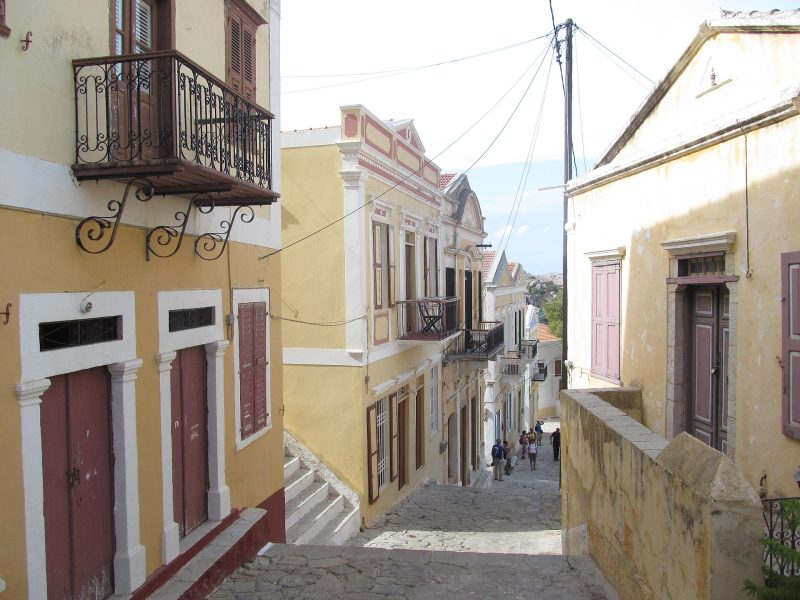
Booking Late Versus Early: Island Room Rates in the Quiet Weeks
Two friends booked the same room on the same island for the same three nights in late September.…
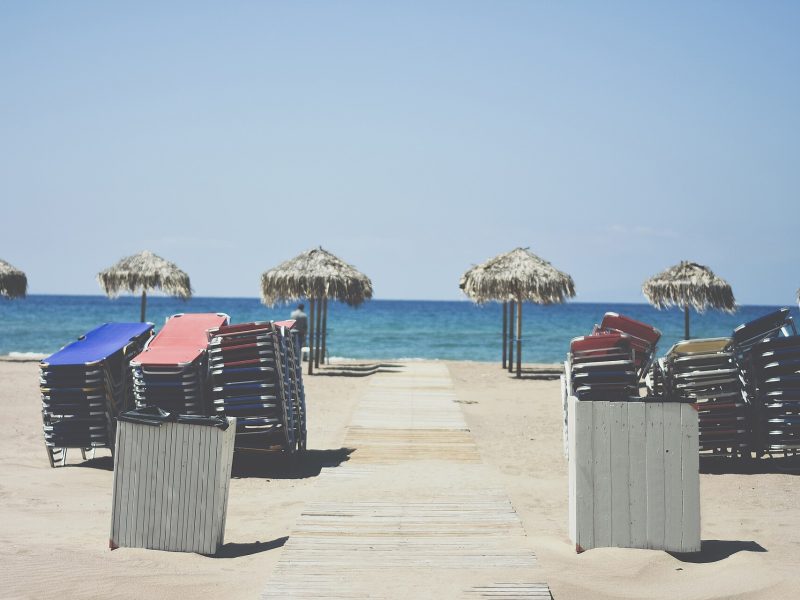
Why the Last Week of September Beats the First Week of June
The first week of June and the last week of September are four months apart and almost identical…
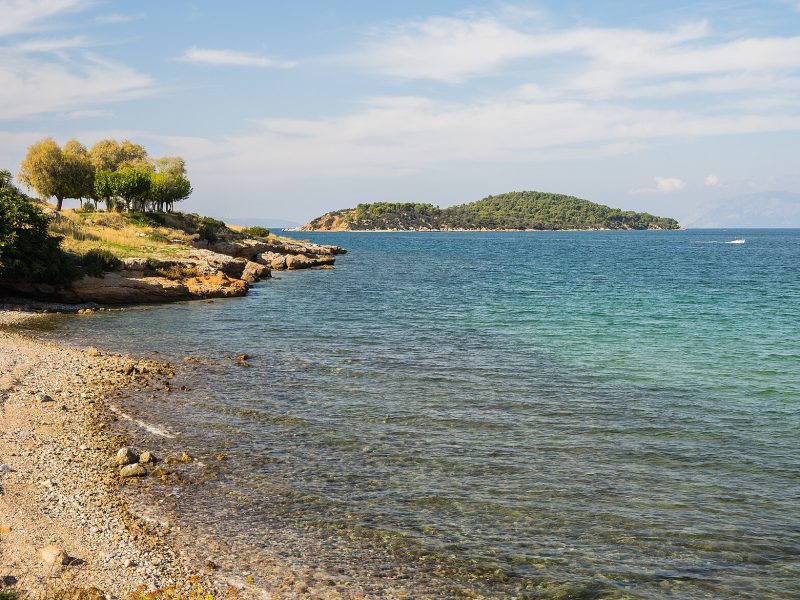
The Same Room in February: Island Prices When the Season Closes
The room cost 95 euros a night in June and 38 in February, and it was the same…