Guesthouse or Hotel on Sifnos: Comparing Two Rooms at the Same Price
Two couples arrived on Sifnos on the same ferry in the third week of June, paid almost the same money for four nights, and had completely different holidays. One booked a five-room guesthouse in Apollonia at 88 euros a night; the other booked a thirty-room hotel above the beach at Kamares at 92. Both were well reviewed. Both were clean. Neither was a mistake, and the reasons each couple preferred their own choice say more about island stays than any star rating does.
Comparing the two properly takes more than price and photographs, because what differs is not quality but structure: who is there, what time breakfast happens, whether the door is locked at night, and what happens when something goes wrong. Those are the things that decide whether a stay feels like a holiday or like an arrangement.
What the same money bought in each
The guesthouse room was about eighteen square metres with a stone wall, a window onto a courtyard, a good bed and a bathroom with a shower cubicle rather than a curtain. No television, no fridge, air conditioning in the room. Breakfast was included and served at a communal table under a vine at whatever time the first guest appeared.
The hotel room was twenty-four square metres with a balcony facing the sea, a fridge, a television, a safe, a lift, and air conditioning that could be set to a number. Breakfast was a buffet from seven to ten thirty. There was a reception desk staffed until eleven at night and a person on the phone after that. The beach was eighty metres away and the village was a fifteen-minute bus ride.
The breakfast difference is bigger than it sounds
The buffet had more food and less atmosphere. It was efficient, it was generous, and it was over in twenty minutes because there was nothing to stay for. The communal table produced a two-hour breakfast on the first morning and a set of recommendations that changed the rest of the trip, including a beach and a taverna we would not have found.
This is not a universal rule, and a bad communal table is worse than a good buffet. What made the difference here was that the guesthouse owner sat down for part of it and knew the island. In a hotel the person at the buffet is a staff member with a shift, and the information is a printed sheet of restaurant names.
Evenings and the shape of the day
The guesthouse was in Apollonia, the island’s capital, which is a pedestrian village of lanes with the restaurants built into it and no cars inside. Dinner meant a four-minute walk and a choice of eight places. The evenings stretched, and the walk home was short enough that nobody had to think about the last bus.
The hotel was at Kamares, the port, with a beach and a row of tavernas and a bus that stopped at eleven. Dinner was fine and constrained, because the choice was six places on one street and the bus back was a deadline. Two of the four evenings ended early because of it, which nobody had planned.
When something goes wrong
On the second night the guesthouse had a water problem: the pump failed and the building lost pressure for three hours. The owner knocked on every door, explained, offered the shower in her own house next door, and had a plumber there by the morning. It was inconvenient and handled in a way that made it a story rather than a grievance.
The hotel had no equivalent incident, which is part of the point. A larger building has backup systems, a maintenance contract and a person whose job is the pump. What it does not have is the owner next door. Both structures have failure modes and the difference is in how they are absorbed, not whether they happen.
The privacy and the sociability trade
A five-room guesthouse is a small social world. By the third morning you know who is leaving, who is celebrating something, and which room has the noisy child. The courtyard is shared and the windows face it, so the curtain is doing real work. Some people find this delightful and some find it exhausting by day three.
A hotel of thirty rooms offers anonymity and a balcony you can sit on without being seen. It also offers no conversation unless you start one, and for a solo traveller in particular, four nights of no conversation is a different experience from four nights of breakfast with the same eight people. This is the single biggest variable and the one least discussed in reviews.
Location, and what it costs in transport
The guesthouse was in the village, which meant restaurants on foot and the beach by bus at two euros a ride. The hotel was at the port, which meant the beach on foot and the village by bus. Over four days each couple spent about the same on buses, and each spent it in the opposite direction.
The real difference is the last hour of the evening. Being inside the village means no return journey. Being at the port means a bus or a taxi at the end of dinner, and the bus stops before the restaurants finish. Anyone who plans to eat late should sleep where they eat, which on Sifnos means Apollonia or Artemonas rather than the port.
Comfort, fittings and the small failures
The hotel won on fittings: better towels, a proper desk, a safe, blackout curtains, a shower with a screen. The guesthouse won on the bed and on quiet, because the stone walls stopped the sound of the neighbouring room entirely and the courtyard had no traffic. Both rooms were cleaned daily, both had good water pressure, and both had wifi that worked.
The hotel’s failure was the air conditioning unit above the balcony, which dripped onto the chair below and made a noise at three in the morning. The guesthouse’s failure was the pump. Neither is unusual. What matters is whether the person responsible is on site, and in a small property they usually are.
Cost across the season
In June both were around ninety. In August the hotel goes to one hundred and seventy and the guesthouse to one hundred and forty with a three-night minimum, which widens the gap in favour of the guesthouse. In October the hotel drops to sixty-five and the guesthouse to seventy, which reverses it, because a five-room property cannot discount as far.
The lesson is that the comparison changes with the month. In the shoulder season the hotel is often better value because it has the scale to cut rates. In high season the guesthouse is better value because it does not need to chase the peak market. Booking the same way in both months is how people end up paying more for less.
Which to book for which trip
A couple on a first visit who want restaurants on foot, recommendations from a person and no transport at night should take the guesthouse. A family, or anyone who wants a balcony, a lift, a safe and a reception desk, should take the hotel. A solo traveller should think hard about which of the two they want more: company or privacy.
Neither answer is wrong and the money does not decide it. What decides it is how much of the holiday happens inside the building. At ninety euros a night on Sifnos, the room is a base rather than a destination, and the right choice is the one that puts the evening where you want it to end.
Photograph: Wikimedia Commons (CC BY-SA 4.0) · source file

Confessor Santos
Writes about island guesthouses, ferry timetables and the week a room price finally drops.
Keep reading
Nearby landings
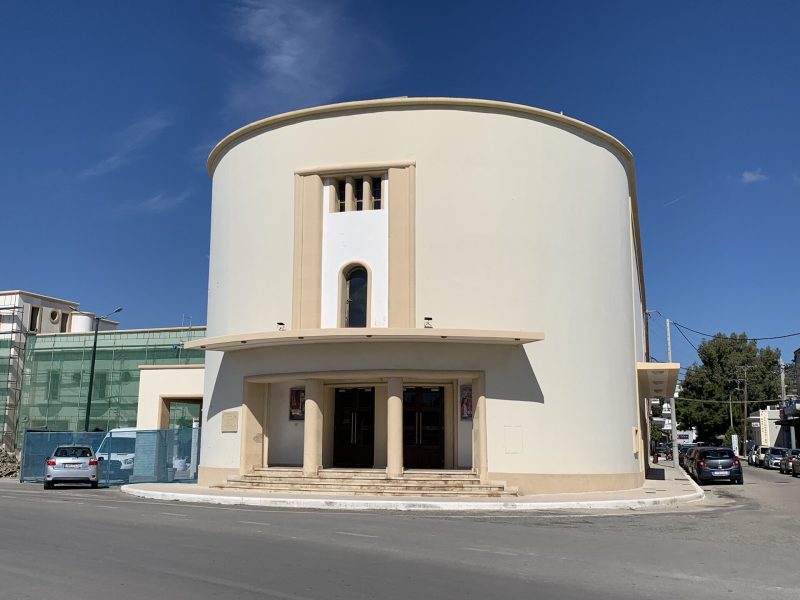
A Converted Captain’s House in Leros: What the Photos Left Out
The house was built in 1908 by a sea captain and converted into four apartments in 2018, and…
What a 40 Euro Room on Amorgos Actually Gets You
The room cost 40 euros a night in the first week of October, which on Amorgos is close…
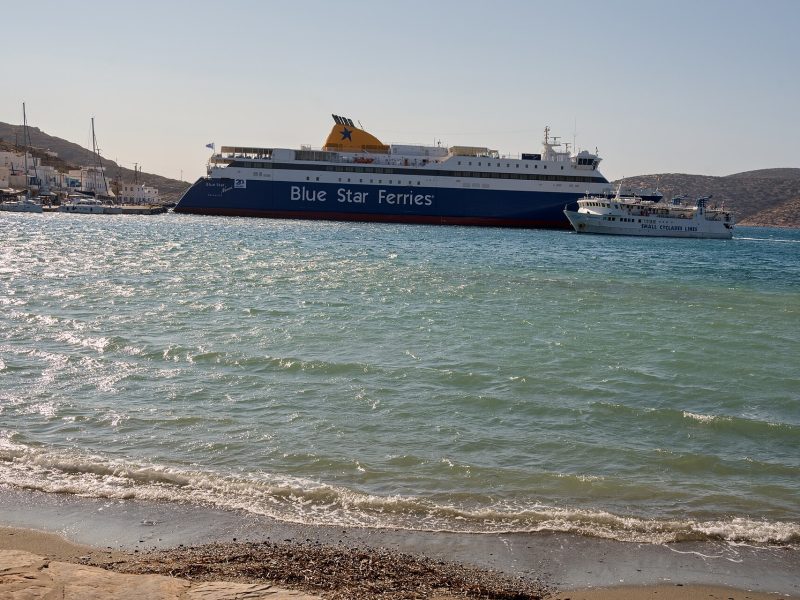
Twelve Rooms in Katapola: Why the Cheapest One Was the Best Value
We looked at three rooms in Katapola for the same four nights in late September and booked the…